
Home / Products / Prefabrication /
CUSTOMCAGE®
CUSTOMCAGE®
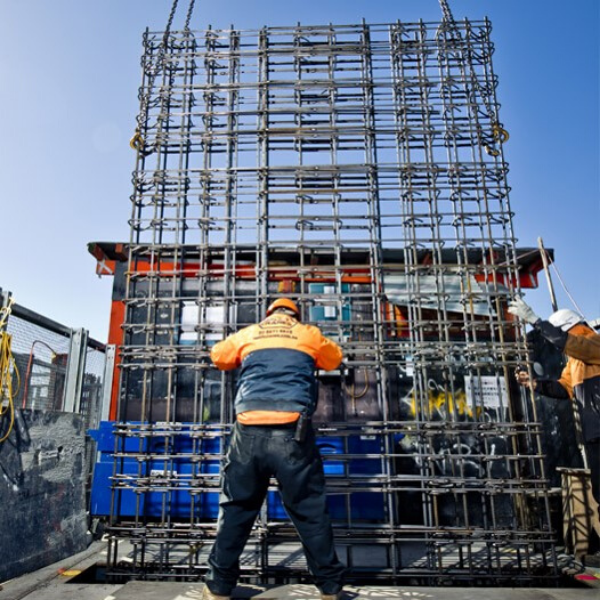
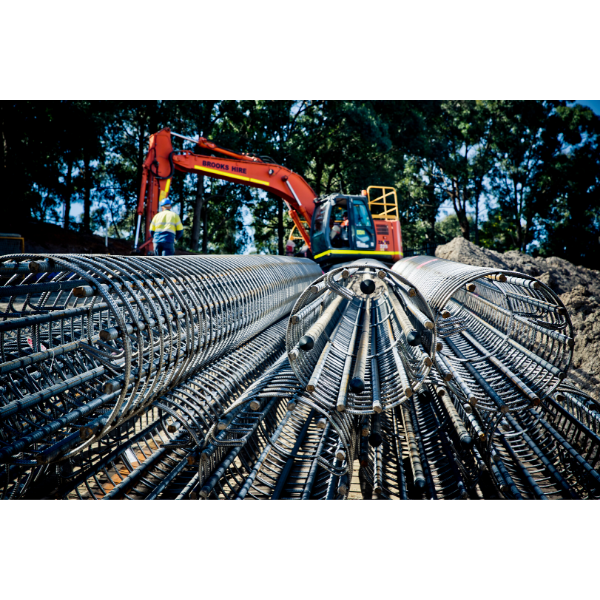
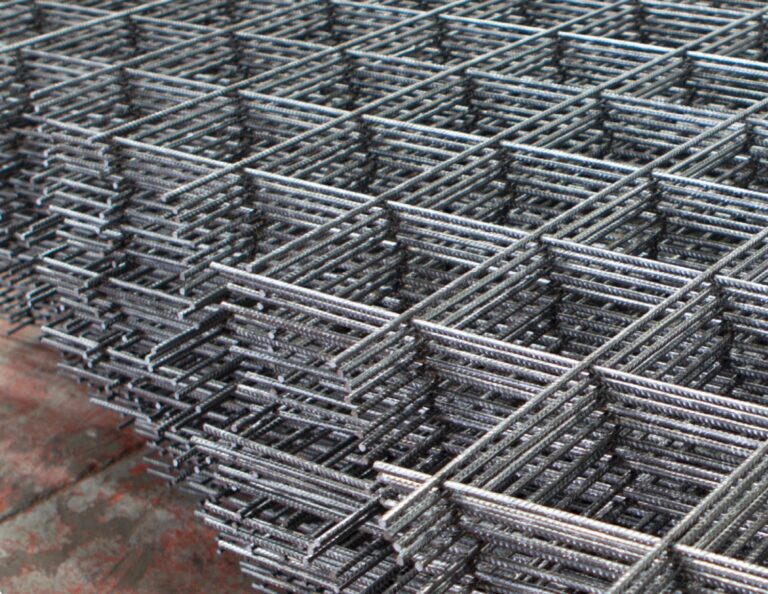
Factory fabricated using manual processes, CUSTOMCAGE® from InfraBuild Reinforcing is customised to suit your project requirements.
Sectors
- Widely used in Commercial, Civil & Infrastructure, Residential, Industrial, and High Rise markets
Typical
- Headstocks
- Columns
- Beams
- Footings
- Diaphragm walls
Features
- Customised to meet project specific requirements
- Enhanced quality – made in controlled environment
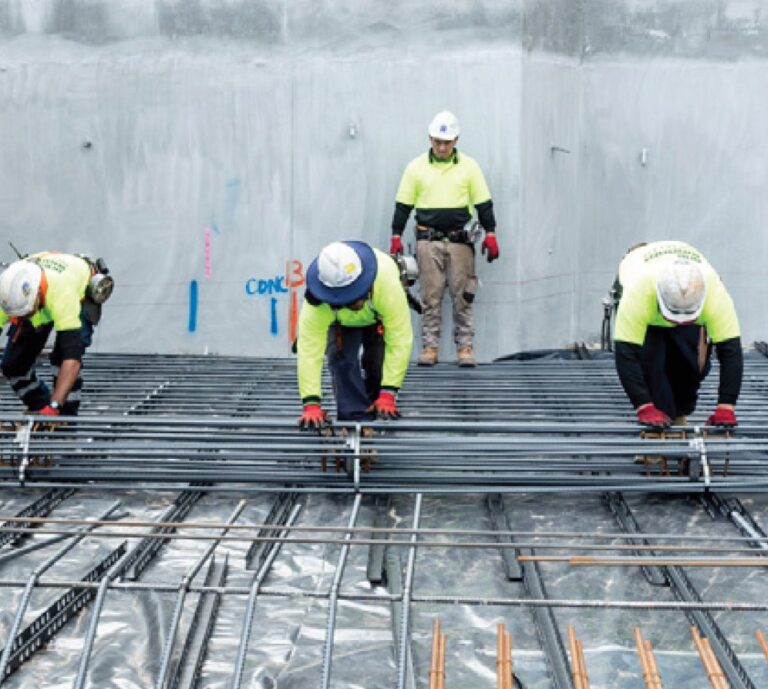
- Reduction of waste and on-site labour
- Speed and simplicity of construction
- Increased site safety
- Improved efficiency
- Lifting certification available upon request
Relevant Standards
- AS/NZS 4671 Steel for the reinforcement of concrete
- AS 3600 Concrete structures
- AS 1554.3 Structural steel welding Part 3: Welding of reinforcing steels
How we're making an impact.

Circular steel manufacturing
We recycle scrap steel and transform it into new steel products through a continuous circular process. Keeping materials in use reduces waste and supports resource efficiency.

Renewable energy transition
We're increasing the use of renewable electricity across our operations as part of our decarbonisation pathway. This helps reduce emissions associated with steel production.

Lower embodied carbon solutions
Innovations such as SENSE 600® help customers reduce material use while maintaining structural performance. Less steel can mean lower embodied carbon outcomes.

Local manufacturing
Manufacturing steel in Australia strengthens sovereign capability, reduces supply chain complexity and supports local jobs and communities.
1.4M tonnes
of scrap steel recycled annually
77%
fewer greenhouse gas emissions from electric arc furnace steelmaking compared with traditional blast furnace steelmaking*
Building more sustainably starts with making better use of materials.
SENSE Solutions® combines five capabilities to help customers build more with less: products, engineering expertise, digital tools, productivity intelligence and verified sustainability data. Together, they can reduce material use and embodied carbon, improve construction productivity and lower overall project costs.